
In ophthalmology, we spend a lot of time talking about innovation. Gene therapies. Cell therapies. Artificial intelligence. Novel drug delivery systems. Amid all the excitement, one humble measurement continues to sit at the center of countless clinical trials: Best-Corrected Visual Acuity (BCVA). It may not have the futuristic flair of the latest therapeutic platform, but when a sponsor needs to demonstrate that a treatment helps patients see better, BCVA becomes one of the most important endpoints in the study.
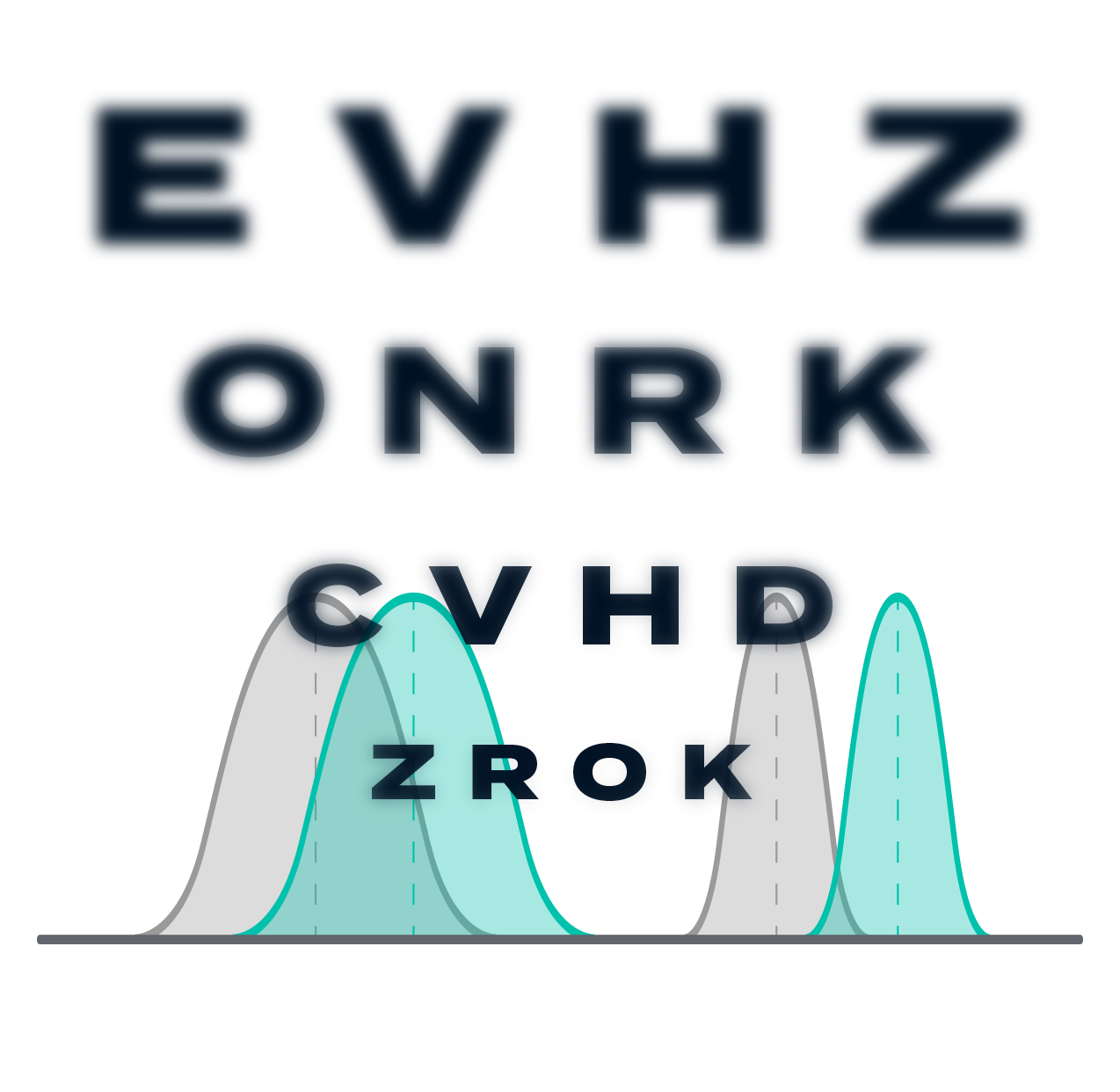
As it turns out, measuring vision accurately is a bit like baking a soufflé: the recipe matters, the environment matters, and cutting corners tend to end badly. Thee challenge is that BCVA testing looks deceptively simple. Ask a patient to read letters on a chart, record the results, and carry on, right? Not quite. Small inconsistencies in lighting, testing distance, lane setup, technician instruction, patient coaching, or scoring can introduce variability into the data. When a clinical trial is attempting to detect a meaningful treatment effect, particularly in studies with smaller patient populations or slowly progressing diseases, that variability can create unnecessary noise and make it harder to identify true treatment benefit. A few letters gained or lost because of inconsistent testing procedures can have a surprisingly large impact on study outcomes. In clinical research, precision isn’t just a nice-to-have; it’s the difference between confidence and uncertainty.
This is where BCVA certification enters the story. Best-Corrected Visual Acuity certification is a formal process designed to ensure that clinical trial personnel perform vision assessments consistently, accurately, and reproducibly across sites and over time. Think of it as creating a shared language for visual acuity testing.
Whether a trial includes five sites or fifty, patients should receive a comparable testing experience and measurements should be collected using the same rigor.
Certification helps reduce variability attributable to testing practices rather than treatment effects, improving the overall quality of visual endpoint data and strengthening confidence in study outcomes.
Here’s the part people don’t always talk about: certification isn’t a one-time event. Clinical trials are living, evolving enterprises. Staff members change roles, new coordinators join studies, protocols are amended, and operational challenges inevitably arise. Even the best-trained examiner can benefit from periodic refreshers, support, and oversight. Maintaining consistency from first patient enrolled through study completion often requires just as much attention as the initial training itself. Like tending a garden, endpoint quality isn’t established once and forgotten. It needs ongoing care.

That’s one reason Ora’s approach to BCVA certification has evolved beyond simply training examiners. Our teams manage standardized BCVA testing protocols, site lane certifications, technician training, recertification activities, and ongoing quality oversight throughout study conduct. Just as importantly, we maintain close relationships with clinical sites and examiners throughout the life of a trial. When questions arise, procedures become more complex, or sites need support interpreting protocol-specific requirements, our team remains available to help. This collaborative approach helps sites feel supported while promoting confidence and consistency in BCVA assessments. After all, the goal isn’t simply to certify someone once; it’s to help ensure high-quality endpoint collection every day of the study.
What makes this particularly valuable is that BCVA expertise does not operate in isolation. Because BCVA data touches so many aspects of ophthalmic research, visual acuity specialists work closely with Clinical Operations, Clinical Monitoring, and Medical Oversight teams throughout study execution. This allows potential issues affecting endpoint quality to be identified earlier, addressed proactively, and managed consistently across sites. Rather than viewing certification as a standalone task, it becomes part of a broader effort to protect data quality and support successful trial execution. The result is not just improved operational efficiency, but accurately reflect changes in visual function.
As ophthalmic therapies become increasingly sophisticated, the importance of reliable endpoints only grows. Whether evaluating treatments for retinal disease, geographic atrophy, inherited retinal disorders, dry AMD, or other vision-threatening conditions, sponsors need data they can trust and patients deserve assessments that are conducted consistently. While BCVA testing may never be the flashiest part of a clinical trial, it remains one of the most important. No matter how innovative the therapy, its impact can only be understood if vision is measured correctly.
After all, if the goal is helping patients see the future more clearly, Eye Think … we should start by making sure we’re measuring it the same way everywhere.