

The Clinical Intelligence Committee


The best minds in ophthalmology brought closer to the work
The Ora Clinical Intelligence Committee brings together internationally recognized leaders from across the ophthalmology community to add global KOL perspective to the clinical, scientific, and strategic decisions that shape development.
As a modern evolution of the traditional SAB model, the Clinical Intelligence Committee elevates the role of expert input, making it more impactful in real-time to help sponsors evaluate key decisions with confidence.
Global knowledge.
Diverse expertise.
Real development impact.
A world-class group of ophthalmology KOLs from across the global research community lets sponsors evaluate every development decision through multiple lenses: geographies, indications, specialties, patient populations, and real-world clinical practice.
A strategic extension of Ora expertise, built for the decisions sponsors face
Ora’s ophthalmology-only focus gives sponsors a deep foundation of therapeutic, operational, and development expertise.
The Clinical Intelligence Committee builds on that foundation, bringing the collective knowledge of global experts into product development to sharpen strategy, pressure-test assumptions, and help sponsors advance programs with greater precision.
Areas of Expertise & Impact
Clinical development strategy
Operational feasibility
Protocol & study design
Data interpretation & Regulatory readiness
Endpoint & assessment considerations
Indication-specific development challenges
Access leading ophthalmology insight across the full development journey.
Across all phases and therapeutic areas, the Clinical Intelligence Committee gives sponsors a more direct way to engage top KOL perspective during crucial moments that shape development.
Meet the committee

Carl D. Regillo, MD, FACS
Carl D. Regillo, MD, FACS, is a leading vitreoretinal surgeon, educator, and researcher specializing in retinal diseases. He is the former Director of Retina Services at Wills Eye Hospital and Professor of Ophthalmology at Thomas Jefferson University in Philadelphia. A recognized leader in the field, he has served as principal investigator for numerous international clinical trials advancing treatments for age-related macular degeneration, diabetic retinopathy, and other retinal disorders.
Carl D. Regillo, MD, FACS, is a leading vitreoretinal surgeon, educator, and researcher specializing in retinal diseases. He is the former Director of Retina Services at Wills Eye Hospital and Professor of Ophthalmology at Thomas Jefferson University in Philadelphia. A recognized leader in the field, he has served as principal investigator for numerous international clinical trials advancing treatments for age-related macular degeneration, diabetic retinopathy, and other retinal disorders.
Dr. Regillo earned his pharmacy degree from Northeastern University and his medical degree from Harvard Medical School. He completed his internship at Brigham and Women’s Hospital and his ophthalmology residency and vitreoretinal fellowship at Wills Eye Hospital. He also served as a vitreoretinal surgeon in the United States Air Force and as Assistant Professor of Ophthalmology at the University of California San Diego before returning to Philadelphia.
Dr. Regillo has authored more than 300 scientific publications and nine major ophthalmic textbooks and is a frequent lecturer at national and international meetings. He has held numerous leadership positions within Wills Eye Hospital, the American Academy of Ophthalmology, and the American Society of Retina Specialists (ASRS), where he has received multiple honors, including the ASRS Founders Award and the AAO Lifetime Achievement Award. His contributions to patient care, research, and education continue to shape the field of retina medicine worldwide.

Dale W. Usner, PhD
Dale W. Usner, PhD, is a biostatistician and clinical development strategist with more than two decades of experience supporting ophthalmic pharmaceutical and medical device development. He is President of OphthalStat, a consulting firm focused on statistical strategy and clinical trial design for ophthalmology programs, and previously served in senior biometrics leadership roles at Glaukos, Statistics & Data Corporation, and Bausch + Lomb.
Dale W. Usner, PhD, is a biostatistician and clinical development strategist with more than two decades of experience supporting ophthalmic pharmaceutical and medical device development. He is President of OphthalStat, a consulting firm focused on statistical strategy and clinical trial design for ophthalmology programs, and previously served in senior biometrics leadership roles at Glaukos, Statistics & Data Corporation, and Bausch + Lomb.
Dr. Usner earned a PhD in Statistics from Oregon State University, an MS in Statistics from Carnegie Mellon University, and a BS in Mathematics from Dickinson College. Throughout his career, he has provided statistical leadership across a broad range of ophthalmic indications, including glaucoma, ocular hypertension, dry eye disease, age-related macular degeneration, diabetic macular edema, retinal vein occlusion, geographic atrophy, keratoconus, uveitis, presbyopia, myopia, and corneal disease. His expertise spans clinical trial design, endpoint selection, adaptive study methodologies, regulatory strategy, and data analysis for both pharmaceutical and device development programs.
A recognized leader in ophthalmic clinical research, Dr. Usner has contributed to numerous regulatory submissions and product approvals, with extensive experience interacting with the U.S. Food and Drug Administration (FDA) and other global regulatory agencies. He has authored and co-authored publications supporting the development of therapies and devices for glaucoma, cataract surgery, ocular inflammation, and retinal disease, and has served on data monitoring committees and advisory programs across the industry. Through his statistical leadership and deep understanding of ophthalmic clinical development, Dr. Usner has helped advance many of the therapies and technologies used in eye care today.

Eleonora (Nora) Lad, MD, PhD
Eleonora (Nora) Lad, MD, PhD is the Vice-Chair for Ophthalmology Clinical Research and Professor with Tenure at Duke University Medical Center. She is a clinician scientist and retinal ophthalmologist with the primary goal of developing novel strategies for early diagnosis and treatment of age-related macular degeneration (AMD) and other retinal degenerative disease. She completed her ophthalmology residency at Stanford University where she was awarded the Heed Fellowship, and a medical retina fellowship at Duke University Medical Center.
Eleonora (Nora) Lad, MD, PhD is the Vice-Chair for Ophthalmology Clinical Research and Professor with Tenure at Duke University Medical Center. She is a clinician scientist and retinal ophthalmologist with the primary goal of developing novel strategies for early diagnosis and treatment of age-related macular degeneration (AMD) and other retinal degenerative disease. She completed her ophthalmology residency at Stanford University where she was awarded the Heed Fellowship, and a medical retina fellowship at Duke University Medical Center.
Dr. Lad has fulfilled the role of international lead PI for the Apellis phase 3 OAKS study for geographic atrophy (GA) secondary to AMD, the first FDA-approved treatment for this disease indication. Dr. Lad serves on the Executive Advisory Boards on multiple companies and advises industry sponsors on novel, approvable visual function assessments in the context of clinical trials for retinal diseases. Dr. Lad serves as a member of the FDA/NEI Ophthalmic Imaging Collaborative Communities on Imaging and Artificial Intelligence, as Heed Society faculty, and on the Advisory Board of the Innovative Medicine-2 (IMI-2) consortium. Dr. Lad has served as the director of grading for retina clinical trials at Duke Reading Center and primary investigator for investigator-initiated and phase 1 through 3 clinical trials at the Duke Eye Center.
Dr. Lad was awarded the American Society of Retinal Specialists Honor Award, Mentored Patient-Oriented Research Career Development Award (K23) from the National Eye Institute, the Veterans Affairs Clinical Science Research and Development I01 Merit Award, the 2016 ARVO/Alcon Early Career Clinician-Scientist Research Award, Research to Prevent Blindness Ernest & Elizabeth Althouse Special Scholar Award, Duke Health Scholar, and a number of foundation grants. She has served as lead author in high-impact journals such as Lancet, Nature and Ophthalmology and as an editor for Investigative Ophthalmology & Visual Science (IOVS), Ophthalmic Surgery, Lasers and Imaging (OSLI) Retina, and as a member of the Advisory Committee for JAMA Ophthalmology.

Giacomina (Mina) Massaro-Giordano, MD
Giacomina (Mina) Massaro-Giordano, MD is an internationally recognized ophthalmologist and leading authority in dry eye disease and ocular surface disorders. She completed her training at the Scheie Eye Institute at the University of Pennsylvania, where she went on to build one of the nation’s preeminent programs in the field. Over the course of more than 30 years at Penn, she helped establish and grow the Penn Dry Eye and Ocular Surface Center, raising critical funds to support advanced diagnostic and treatment technologies and developing it into a renowned interdisciplinary hub for patient care and research.
Giacomina (Mina) Massaro-Giordano, MD is an internationally recognized ophthalmologist and leading authority in dry eye disease and ocular surface disorders. She completed her training at the Scheie Eye Institute at the University of Pennsylvania, where she went on to build one of the nation’s preeminent programs in the field. Over the course of more than 30 years at Penn, she helped establish and grow the Penn Dry Eye and Ocular Surface Center, raising critical funds to support advanced diagnostic and treatment technologies and developing it into a renowned interdisciplinary hub for patient care and research.
At a time when many in the field questioned whether dry eye disease was even a legitimate diagnosis, Dr. Massaro-Giordano was among the pioneers who helped raise awareness of the condition’s prevalence and complexity, bringing relief to thousands of patients through her work at the Penn center.
She was recently recruited to NYU Langone Health, where she now serves as Director of the newly established Dry Eye Service at NYU Langone Eye Center. In this role, she leads a multidisciplinary team delivering comprehensive, integrated care for patients with ocular surface disease.
A key opinion leader in the dry eye discipline, Dr. Massaro-Giordano has an extensive publication record and has presented her research at numerous national and international medical society meetings, earning many accolades including the prestigious Penn Master Clinician Award. She has served as Principal Investigator on numerous clinical trials, with contributions that include supporting FDA approval of the first biologic eye drop designed to promote regeneration of damaged corneal nerves.
Dr. Massaro-Giordano’s career reflects a sustained commitment to advancing the science of ocular surface disease while championing the patients — particularly those long underserved — who depend on that progress.

Iqbal "Ike" K. Ahmed, MD, FRCSC
Professor and John R and Hazel M Robertson Presidential Endowed Chair, Department of
Ophthalmology and Visual Sciences, University of Utah Director, Alan S. Crandall Center for Glaucoma Innovation, John A. Moran Eye Center
Director, Glaucoma & Advanced Anterior Segment Surgery (GAASS) Fellowship, Univ. of Toronto
Trillium Health Partners, Mississauga, ON
Chief Innovation Officer, Prism Eye Institute
Visiting Professor, University of Sao Paolo, Sao Paolo, Brazil
Professor and John R and Hazel M Robertson Presidential Endowed Chair, Department of
Ophthalmology and Visual Sciences, University of Utah Director, Alan S. Crandall Center for Glaucoma Innovation, John A. Moran Eye Center
Director, Glaucoma & Advanced Anterior Segment Surgery (GAASS) Fellowship, Univ. of Toronto
Trillium Health Partners, Mississauga, ON
Chief Innovation Officer, Prism Eye Institute
Visiting Professor, University of Sao Paolo, Sao Paolo, Brazil
Dr. Iqbal Ike K. Ahmed is a clinician-scientist recognized as the #1 most influential ophthalmologist in the world by The Ophthalmologist Power List, and one of the most experienced complex eye surgeons globally. A disruptive thinker and pioneer in the field, he coined the terms “Interventional Glaucoma (IG),” “Micro-Invasive Glaucoma Surgery (MIGS),” and “Micro-Invasive Bleb Surgery (MIBS)” — frameworks that have fundamentally reshaped how glaucoma is treated worldwide.
He is a professor and John R & Hazel M Robertson Presidential Endowed Chair at the University of Utah, Founding Director of the Alan S. Crandall Center for Glaucoma Innovation at the John A. Moran Eye Center, and Director of the internationally renowned GAASS Fellowship at the University of Toronto, which has trained over 50 glaucoma and anterior segment surgeons practicing around the world. With an h-index of 75, over 310 peer-reviewed publications, and more than 2,200 scientific presentations globally, he ranks in the top 0.15% of scientists in his field. His honours include the King Charles III Coronation Medal, the Binkhorst Medal at ASCRS, and the American Glaucoma Society Innovator Award. Patients are referred to him locally, nationally, and from around the world.
Leanne T. Labriola, DO, MBA
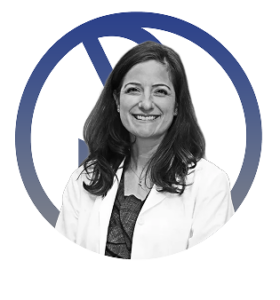
Leanne T. Labriola, DO, MBA, is a medical retina specialist, clinical researcher, and entrepreneur focused on advancing the diagnosis and treatment of retinal disease. She practices at Sewickley Eye Group in Pennsylvania and specializes in the management of age-related macular degeneration, diabetic retinopathy, ocular inflammation, and other retinal disorders. Throughout her career, she has combined patient care with a strong commitment to clinical innovation and translational research.
Leanne T. Labriola, DO, MBA, is a medical retina specialist, clinical researcher, and entrepreneur focused on advancing the diagnosis and treatment of retinal disease. She practices at Sewickley Eye Group in Pennsylvania and specializes in the management of age-related macular degeneration, diabetic retinopathy, ocular inflammation, and other retinal disorders. Throughout her career, she has combined patient care with a strong commitment to clinical innovation and translational research.
Dr. Labriola earned her undergraduate degree from Duke University, her Doctor of Osteopathic Medicine degree from the Philadelphia College of Osteopathic Medicine, and an MBA from Saint Joseph’s University’s Haub School of Business. She completed her ophthalmology residency at the University of Pittsburgh and fellowship training in Medical Retina at the University of Southern California. She previously served as an Assistant Professor at the University of Pittsburgh before joining the faculty at the University of Illinois College of Medicine and Carle Health, where she established and led the Ophthalmology Clinical Trial Department.
A recognized leader in ophthalmic research, Dr. Labriola has served as principal investigator for more than 20 national clinical trials evaluating novel therapies for retinal disease and has authored numerous peer-reviewed publications. Her research on innovative ocular diagnostic technologies has been supported by more than $2.5 million in National Science Foundation funding with additional support for research through the Defense Health Agency. She is also co-founder and president of the biotechnology companies InnSight and Visionaire Products, which focus on developing next-generation diagnostic devices for ophthalmology. Through her clinical care, research, and innovation, Dr. Labriola continues to advance the field of retinal medicine and improve outcomes for patients with vision-threatening diseases

Marion R. Munk, MD, PhD, FEBO
Marion R. Munk, MD, PhD, FEBO, is a retina and uveitis specialist, clinician-scientist, and internationally recognized leader in ophthalmic imaging and artificial intelligence. She serves as Chief Scientific Officer and Head of Research at Gutblick AG in Switzerland and is a Professor at Inselspital, University Hospital of Bern. She also holds an adjunct faculty appointment at Northwestern University Feinberg School of Medicine in Chicago and serves in industry leadership roles focused on advancing innovative ophthalmic therapies.
Marion R. Munk, MD, PhD, FEBO, is a retina and uveitis specialist, clinician-scientist, and internationally recognized leader in ophthalmic imaging and artificial intelligence. She serves as Chief Scientific Officer and Head of Research at Gutblick AG in Switzerland and is a Professor at Inselspital, University Hospital of Bern. She also holds an adjunct faculty appointment at Northwestern University Feinberg School of Medicine in Chicago and serves in industry leadership roles focused on advancing innovative ophthalmic therapies.
Dr. Munk earned her medical degree and PhD in Clinical Neuroscience from the Medical University of Vienna and completed specialty training in ophthalmology with a focus on retina, uveitis, and advanced retinal imaging. She furthered her expertise through a Medical Retina and Research Fellowship at Northwestern University and has held leadership positions at the Bern Photographic Reading Center and the Department of Ophthalmology at Inselspital Bern. Her research focuses on retinal imaging, image analysis, artificial intelligence, macular diseases, and ocular inflammation.
A prolific researcher and educator, Dr. Munk has authored more than 270 scientific publications and book chapters and is widely recognized for her contributions to retinal imaging and clinical research. She serves as Research Chair of the International Retinal Imaging Society (IntRIS) and sits on the editorial boards of several leading ophthalmology journals, including Investigative Ophthalmology & Visual Science, Acta Ophthalmologica, and Ophthalmologica. She was also recently recognized on The Ophthalmologist Power List 2026 as one of the 50 global leaders advancing the field of ophthalmology. Through her clinical leadership, research, and innovation, Dr. Munk continues to advance the understanding and treatment of retinal diseases worldwide.
Mark Hinds, BScApp(Optom), GradCertOcTher, BScApp(HMS), PGBScHons, FBCLA, FIAOMC
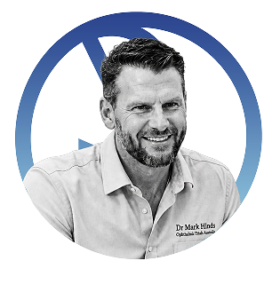
Mark Hinds, BScApp(Optom), GradCertOcTher, BScApp(HMS), PGBScHons, FBCLA, FIAOMC, is an Australian optometrist, clinical researcher, and educator specializing in specialty contact lenses, dry eye disease, myopia management, and complex ocular surface disorders. He is the founder and principal optometrist of Mark Hinds Optometrists in Brisbane and serves as Principal Investigator for Ophthalmic Trials Australia, one of Australia’s leading private ophthalmic clinical trial centers.
Mark Hinds, BScApp(Optom), GradCertOcTher, BScApp(HMS), PGBScHons, FBCLA, FIAOMC, is an Australian optometrist, clinical researcher, and educator specializing in specialty contact lenses, dry eye disease, myopia management, and complex ocular surface disorders. He is the founder and principal optometrist of Mark Hinds Optometrists in Brisbane and serves as Principal Investigator for Ophthalmic Trials Australia, one of Australia’s leading private ophthalmic clinical trial centers.
Dr. Hinds earned his optometry degree and Graduate Certificate in Ocular Therapeutics from Queensland University of Technology and also holds undergraduate and honors degrees in exercise physiology from the University of Queensland. He is recognized as a leader in specialty contact lens fitting, visual rehabilitation for complex corneal disease, and dry eye management. His research interests focus on ophthalmic therapeutics, ocular surface disease, and the evaluation of emerging technologies and pharmaceutical treatments through clinical trials.
In addition to his clinical and research activities, Dr. Hinds is an experienced educator who has lectured extensively in postgraduate optometry programs and received Queensland University of Technology’s Vice-Chancellor’s Award for Excellence in Teaching. A Fellow of the British Contact Lens Association and the International Academy of Orthokeratology and Myopia Control, he continues to contribute to advancing eye care through patient care, clinical research, industry collaboration, and professional education.
Mark Pennesi, MD, PhD, FARVO
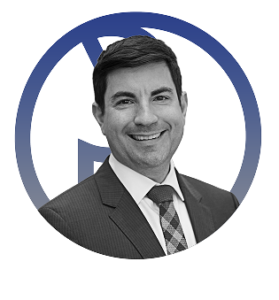
Mark Pennesi, MD, PhD, FARVO, is a leading ophthalmologist and researcher specializing in inherited retinal diseases. He is the director of the Inherited Retinal Degenerations Division at the Retina Foundation in Dallas, TX. He is also an Adjunct Professor of Ophthalmology at the Paul H. Casey Ophthalmic Genetics Division at Oregon Health & Science University’s Casey Eye Institute.
Mark Pennesi, MD, PhD, FARVO, is a leading ophthalmologist and researcher specializing in inherited retinal diseases. He is the director of the Inherited Retinal Degenerations Division at the Retina Foundation in Dallas, TX. He is also an Adjunct Professor of Ophthalmology at the Paul H. Casey Ophthalmic Genetics Division at Oregon Health & Science University’s Casey Eye Institute.
Dr. Pennesi earned his BSE in biomedical engineering from the University of Pennsylvania, and completed his MD/PhD at Baylor College of Medicine. He completed his ophthalmology residency at the University of California, San Francisco, and an ophthalmic genetics fellowship at the Casey Eye Institute.
A pioneer in gene therapy, Dr. Pennesi has led numerous first-in-human clinical trials, including the groundbreaking BRILLIANCE study, which utilized CRISPR/Cas9 gene editing to treat Leber congenital amaurosis type 10. His research focuses on developing novel treatments for inherited retinal diseases. Dr. Pennesi has published over 185 peer-reviewed articles and has received multiple prestigious awards, including the ARVO/Alcon Early Career Clinician-Scientist Research Award, the Alcon Young Investigator Award, and the Macula Society Young Investigator Award.

Michael Goldstein, MD, MM
Michael Goldstein, MD, MM, is a cornea and anterior segment specialist, clinician, and educator with expertise in corneal disease, cataract surgery, refractive surgery, and ocular surface disorders. He serves as Co-Director of the Cornea Service at the New England Eye Center and is an Assistant Professor at Tufts University School of Medicine. Widely recognized for his clinical expertise, Dr. Goldstein provides advanced medical and surgical care for patients with complex corneal and anterior segment conditions.
Michael Goldstein, MD, MM, is a cornea and anterior segment specialist, clinician, and educator with expertise in corneal disease, cataract surgery, refractive surgery, and ocular surface disorders. He serves as Co-Director of the Cornea Service at the New England Eye Center and is an Assistant Professor at Tufts University School of Medicine. Widely recognized for his clinical expertise, Dr. Goldstein provides advanced medical and surgical care for patients with complex corneal and anterior segment conditions.
Dr. Goldstein earned his medical degree from Northwestern University Feinberg School of Medicine and completed his ophthalmology residency at Boston University Medical Center, followed by fellowship training in cornea and external disease at the University of Pittsburgh Eye & Ear Institute. He also earned a Master of Management degree from Northwestern University’s Kellogg School of Management. His clinical interests include cataract surgery, corneal transplantation, refractive surgery, wound healing, and the treatment of corneal and ocular surface disease.
An accomplished researcher and leader, Dr. Goldstein has authored multiple textbook chapters and more than 30 peer-reviewed publications and has delivered over 50 scientific presentations nationally and internationally. He has served as President of the Massachusetts Society of Eye Physicians and Surgeons and President of the Contact Lens Association of Ophthalmologists (CLAO). In addition to his clinical and academic work, he consults with biotechnology and medical device companies on the development of innovative ophthalmic therapies and technologies. Through his patient care, research, and professional leadership, Dr. Goldstein continues to advance the field of cornea and anterior segment ophthalmology.

Patricio G. Schlottmann, MD
Patricio G. Schlottmann, MD, is a retina specialist, clinical researcher, and ophthalmic leader dedicated to advancing retinal disease treatment through innovation and clinical trials. He serves as Director at Charles Research Center and Director of Ophthalmology at Organización Médica de Investigación (OMI) in Buenos Aires, Argentina. Widely recognized throughout Latin America, he has played a leading role in expanding access to cutting-edge retinal therapies and building international research collaborations.
Patricio G. Schlottmann, MD, is a retina specialist, clinical researcher, and ophthalmic leader dedicated to advancing retinal disease treatment through innovation and clinical trials. He serves as Director at Charles Research Center and Director of Ophthalmology at Organización Médica de Investigación (OMI) in Buenos Aires, Argentina. Widely recognized throughout Latin America, he has played a leading role in expanding access to cutting-edge retinal therapies and building international research collaborations.
Dr. Schlottmann earned his medical degree from the University of Buenos Aires and completed specialty training in ophthalmology through Universidad del Salvador and Santa Lucía Ophthalmic Hospital. He subsequently completed a research fellowship at the renowned Moorfields Eye Hospital in London and pursued additional training in clinical trial design at the London School of Hygiene & Tropical Medicine. His clinical and research interests focus on retinal diseases, medical retina, and the development and evaluation of novel ophthalmic therapies.
A highly accomplished investigator, Dr. Schlottmann has led more than 35 clinical studies as principal investigator and has contributed extensively to the advancement of retinal research. He founded the RIO LATAM (Research in Ophthalmology Latin America) network, bringing together clinical research sites across multiple countries to strengthen ophthalmic research throughout the region. He has authored more than 60 scientific publications, serves on editorial boards and peer-review panels, and is a member of the Executive Committee of the Argentine Vitreoretinal Society. Through his clinical leadership, research, and educational activities, Dr. Schlottmann continues to influence the future of retina care both in Latin America and globally.
Victor L. Perez, MD
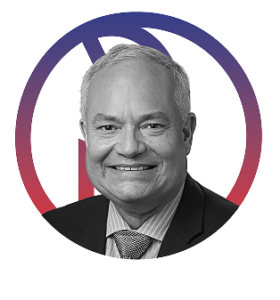
Victor L. Perez, MD, is a cornea specialist, ocular immunologist, and clinician-scientist internationally recognized for his work in ocular surface disease, ocular inflammation, and corneal transplantation. He serves as the Stephen and Frances Foster Distinguished Professor of Ocular Immunology and Inflammation at Duke University and leads programs focused on ocular immunology and ocular surface disease. His clinical practice specializes in the care of patients with complex ocular inflammatory disorders, uveitis, severe dry eye disease, and corneal disease.
Victor L. Perez, MD, is a cornea specialist, ocular immunologist, and clinician-scientist internationally recognized for his work in ocular surface disease, ocular inflammation, and corneal transplantation. He serves as the Stephen and Frances Foster Distinguished Professor of Ocular Immunology and Inflammation at Duke University and leads programs focused on ocular immunology and ocular surface disease. His clinical practice specializes in the care of patients with complex ocular inflammatory disorders, uveitis, severe dry eye disease, and corneal disease.
Dr. Perez earned his Bachelor of Arts from Washington University and his medical degree from the University of Puerto Rico School of Medicine. After completing advanced training in ophthalmology and immunology, he built a career dedicated to translating discoveries in immunology into innovative treatments for vision-threatening eye diseases. His research focuses on the immunology of corneal transplantation, ocular graft-versus-host disease (GVHD), ocular surface disorders, and the development of personalized therapeutic approaches for patients with inflammatory eye disease.
An internationally recognized leader in ocular immunology, Dr. Perez has secured National Eye Institute funding to investigate the immune mechanisms underlying corneal transplant rejection and ocular GVHD. He has developed innovative therapies and surgical approaches for corneal blindness and has contributed significantly to advancing the understanding of ocular inflammatory disease. Through his clinical care, translational research, and commitment to innovation, Dr. Perez continues to help shape the future of corneal and ocular surface medicine worldwide.
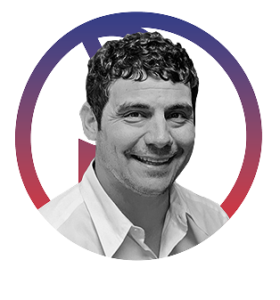
Keith Lane
Patricio G. Schlottmann, MD, is a retina specialist, clinical researcher, and ophthalmic leader dedicated to advancing retinal disease treatment through innovation and clinical trials. He serves as Director at Charles Research Center and Director of Ophthalmology at Organización Médica de Investigación (OMI) in Buenos Aires, Argentina. Widely recognized throughout Latin America, he has played a leading role in expanding access to cutting-edge retinal therapies and building international research collaborations.